
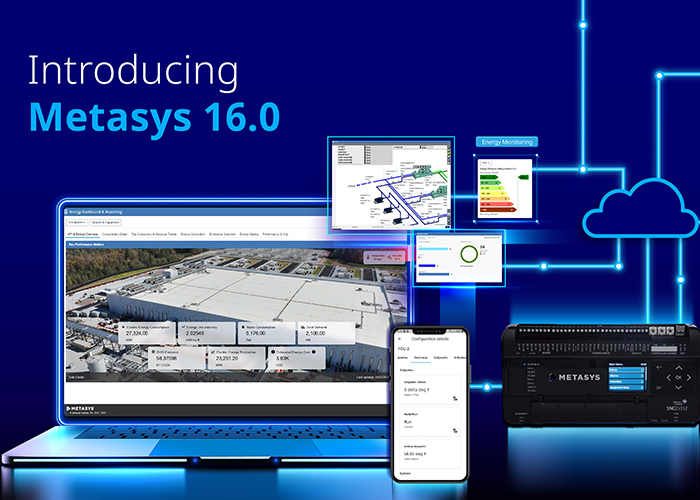
Johnson Controls has launched Metasys 16.0, an update to its building automation system aimed at organisations operating facilities where uptime and resilience are a priority, including critical infrastructure and other high-performance environments.
The release comes as cyber threats continue to affect operational technology and building systems. Johnson Controls cited the Cyber Security Agency of Singapore’s Singapore Cyber Landscape 2025/2026 report, which said malware-infected systems in Singapore rose 142% last year to 284,300 compromised systems.
According to the company, Metasys 16.0 adds features intended to reduce downtime risk, improve cybersecurity and speed deployment. The update includes security controls aligned to IEC 62443-4-2 Security Level 2 and a “Fast Track” upgrade process it says can cut upgrade time by up to 40% through pre-emptive system checks.
Metasys 16.0 also introduces native redundancy designed to keep operations running if a server fails, without third-party software or specialised hardware, the company said. For integration and deployment, Johnson Controls said new visual tools including Node-RED can speed integrations by up to 80% and reduce associated costs by 60% to 70%.
Additional changes outlined in the release include standardised workflows that Johnson Controls said can reduce engineering and deployment time by up to 30%, support for up to 1,300 IP devices (30% more than previous versions), and dashboards intended to provide visibility into energy use, emissions, indoor air quality and system performance.
“The environments our customers operate in are more complex than ever, and expectations for performance continue to rise,” said M. Faisal Pandit, president, Building Management Systems, Johnson Controls. “Even brief disruptions can impact operations, productivity and outcomes. Customers need a building automation system that is secure, resilient, and simple to deploy and scale. With Metasys 16.0, Johnson Controls brings this together in a single platform, helping customers maintain continuous operations, reduce risk and adapt as their needs evolve.”
The company also said the update includes air and water sequences aligned to ASHRAE Guideline 36, with claimed energy savings of up to 30%, and “regulatory readiness” features including dashboards intended to support reporting requirements such as the Energy Performance of Buildings Directive.