
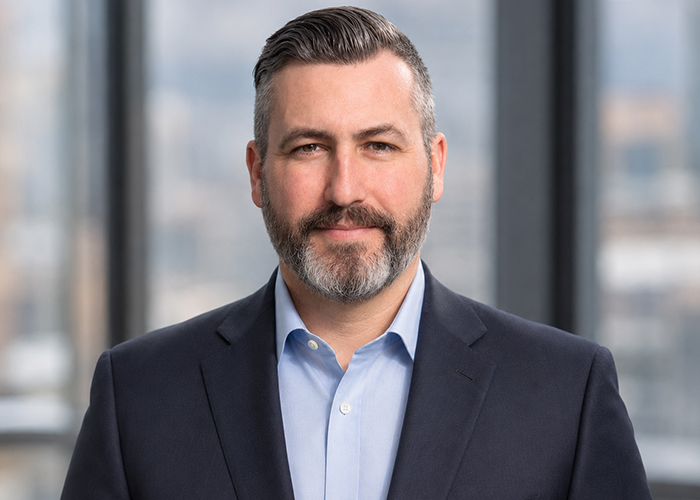
HID has joined the FIDO Alliance Board of Directors, naming Sean Dyon, vice president of its Authentication Business Unit, as the company’s primary board delegate.
The appointment comes as organisations move from passkey pilots to broader rollouts, bringing increased focus on interoperability between vendors, credential lifecycle management and how physical and digital identity systems work together at scale.
“HID has been a longtime and valuable contributor to the FIDO Alliance, and we’re pleased to welcome them and Sean Dyon to our Board,” said Andrew Shikiar, executive director and CEO of the FIDO Alliance. “As enterprises scale passkey deployments, HID’s perspective on converged physical and digital identity will help us bring the security and usability benefits of passkeys to a wider range of environments.”
The FIDO Alliance develops open standards used for passwordless sign-in, including passkeys. According to the media alert, passkeys built on FIDO standards are designed to be phishing-resistant by avoiding transmission of reusable passwords and binding authentication to a specific device and origin.
HID has been a FIDO Alliance member since 2015 and has participated in working groups including FIDO2, digital credentials and consumer deployment. The company also produces FIDO-certified authenticators and authentication platforms, the statement said.
HID cited joint research with the FIDO Alliance indicating 93% of organisations are at some stage of passkey adoption and 65% report high or expert familiarity with the technology.
“As enterprises scale passkeys and passwordless authentication, the standards behind them must address the real-world challenges of deployment, lifecycle management and interoperability,” said Dyon. “The FIDO Alliance has been instrumental in advancing open standards for secure, passwordless authentication, and we are proud to contribute to that work. Because our business spans both physical and digital identity, we understand these challenges across the full range of how people authenticate. That is the perspective we intend to bring to the table.”